
The Thrill of Uncertainty
The psychology behind casino gambling often centers on the allure of uncertainty. Gamblers are drawn to the unpredictable nature of games of chance, where the outcome can change in an instant. This unpredictability creates a sense of excitement and anticipation that can lead individuals to seek repeated experiences in gambling. The thrill of potentially winning large sums of money against the backdrop of the unknown stimulates the brain’s reward systems, creating feelings of pleasure and satisfaction. Many players explore online casinos in canada as a thrilling way to engage with these elements of chance.
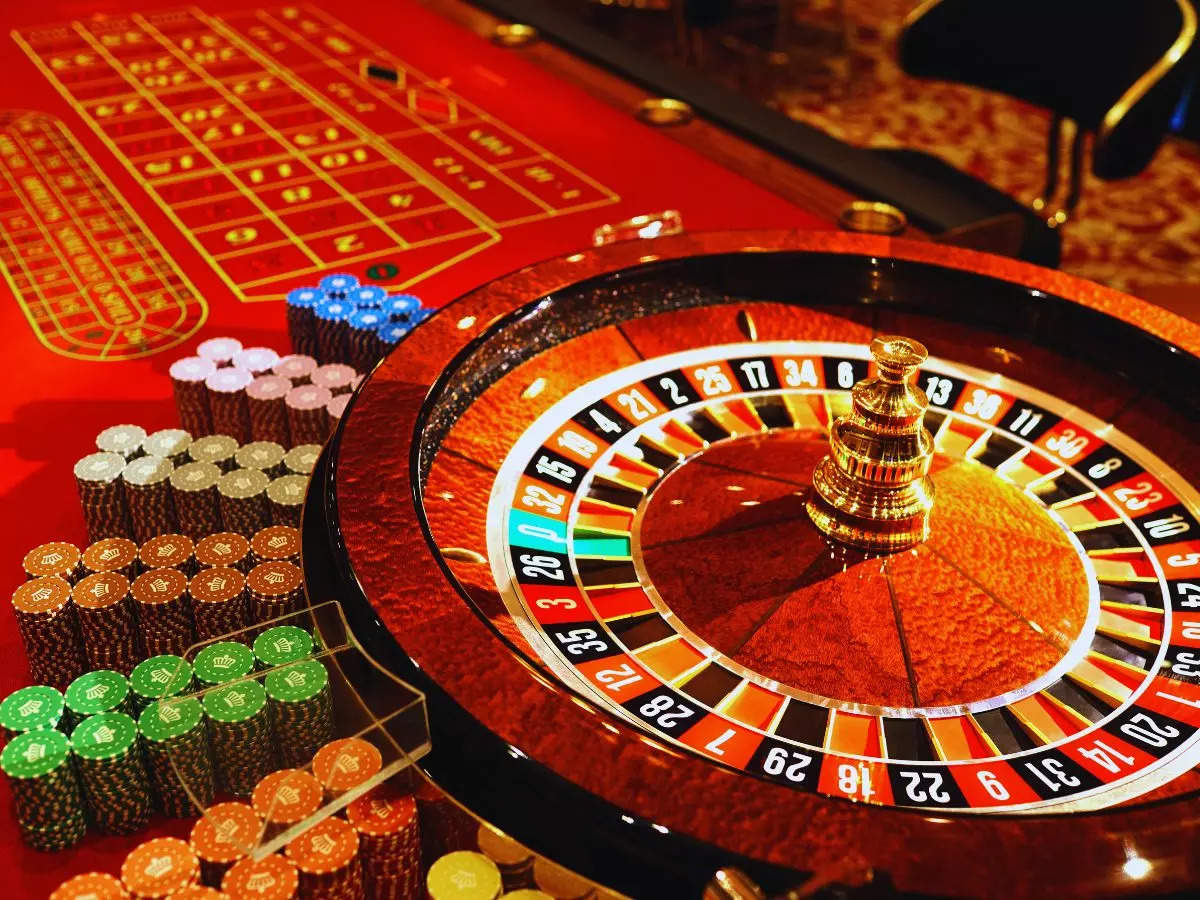
This excitement can become addictive as players chase the elusive “big win.” The psychological phenomenon known as the “gamblers’ fallacy” may also play a role, where individuals believe that past results can influence future outcomes. This belief can create a false sense of control, compelling them to gamble even when the odds are not in their favor, further reinforcing their gambling behavior.
The Role of Emotions in Gambling
Emotions play a significant role in gambling habits, influencing decision-making and behavior. For many players, gambling serves as an escape from everyday stressors, providing a temporary relief from anxiety or depression. The rush of adrenaline experienced during a game can also mask negative emotions, making gambling an appealing option for emotional relief. However, this can lead to a cycle of dependency, where gamesters continually seek that high to cope with their feelings. This psychological aspect highlights how gambling can intertwine with emotional health while serving as both a source of thrill and potential distress.
Moreover, winning can create a euphoric state that encourages further gambling. The brain releases dopamine, a neurotransmitter associated with pleasure and reward, reinforcing the behavior. This emotional rollercoaster, comprising wins and losses, can lead individuals to gamble more frequently, exacerbating the potential for addiction and financial difficulties.
Cognitive Biases and Gambling Decisions
Cognitive biases significantly affect how individuals approach gambling. These mental shortcuts can lead players to make irrational decisions that defy logical reasoning. One common cognitive bias is the overestimation of one’s own skill in games of chance, such as poker or blackjack. Many gamblers believe they can outsmart the odds through strategy, which can lead to increased gambling frequency and larger bets than they might otherwise make. Recognizing these biases is crucial as they often cloud the judgment of players engaging in their favorite activities.
Additionally, the concept of near misses—situations where gamblers come close to winning but ultimately lose—can reinforce the behavior. Near misses evoke strong emotions and can convince individuals that they are “due” for a win, motivating them to continue gambling. This can create a dangerous cycle of behavior that is difficult to escape, driven by cognitive distortions that cloud judgment.
The Social Aspect of Gambling
The social environment surrounding gambling can also heavily influence individual habits. Casinos often foster a sense of community, with individuals bonding over shared experiences in gaming. This social interaction can enhance the enjoyment of gambling and contribute to the normalization of gambling behaviors within social circles. Peer influence can encourage individuals to gamble more frequently or with larger stakes, as the presence of others amplifies the thrill and excitement of the experience.
Furthermore, many people view gambling as a communal activity, often engaging in it with friends or family. This collective experience can mask negative consequences and create an environment where excessive gambling is overlooked or even encouraged. The social aspect adds another layer to the psychology of gambling, making it not just about individual decision-making but also about the influence of those around them.

Website Overview
Understanding the psychology behind casino gambling habits can offer valuable insights into responsible gaming practices. Educational platforms that explore these dynamics aim to inform both players and industry stakeholders about the complexities of gambling behavior. By providing research and resources, these platforms can facilitate discussions about responsible gambling, mental health, and the potential risks associated with gaming.
Engaging with information on gambling psychology not only helps individuals recognize their own behaviors but also empowers them to make informed choices. This ongoing dialogue is essential in promoting a healthier approach to gambling, ensuring that individuals can enjoy gaming as a form of entertainment rather than allowing it to become a problematic habit. Emphasizing responsible gambling practices is crucial for all involved in the gaming community.