
Debunking the top nine myths about gambling and their impact on players
The Illusion of Skill vs. Chance
One of the most prevalent myths about gambling is the belief that skill can significantly influence the outcome of games of chance. Many players assume that they can develop strategies to consistently beat the house. While skill can improve performance in certain games, such as poker, the majority of gambling activities, like slot machines and roulette, are inherently random. Understanding this distinction is crucial for players to manage expectations and avoid the pitfalls of overconfidence, especially when it comes to how chess betting sites operate.
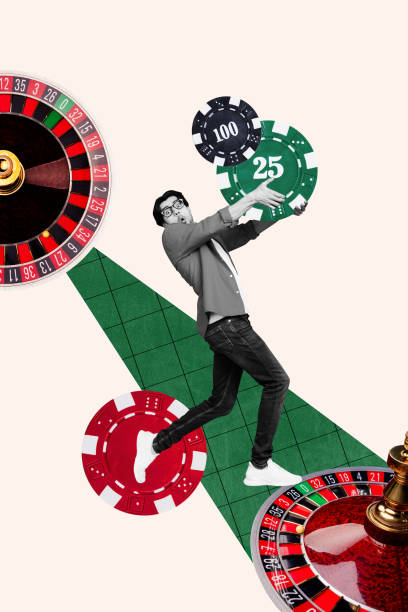
Overestimating one’s ability to control outcomes can lead to financial losses and emotional distress. Players who believe they can manipulate results may chase losses, resulting in a damaging cycle of gambling. Educating oneself about the odds and recognizing the role of chance can help players make informed decisions and gamble responsibly.
The Myth of ‘Hot’ and ‘Cold’ Machines
Another common misconception is that slot machines go through cycles of being ‘hot’ or ‘cold.’ Some players believe that if a machine hasn’t paid out recently, it is due for a win, or conversely, if it has paid out frequently, it will soon stop. This belief stems from a misunderstanding of how random number generators work, which ensure that each spin is independent and random.
This myth can lead players to waste time and money on machines based on faulty logic rather than sound strategy. Recognizing that each game is a separate event can help players avoid unnecessary losses and make more rational betting decisions.
The Gambler’s Fallacy
The gambler’s fallacy is the belief that past events can influence future outcomes in random games. For example, a player might think that a red outcome in roulette makes a black outcome more likely in the next spin. This misconception is dangerous, as it can lead to poor betting strategies and significant financial losses.
Understanding the gambler’s fallacy is essential for maintaining a healthy gambling mindset. Players should know that past results do not affect future events in games of chance. Acknowledging this can help individuals keep their betting decisions grounded in reality and avoid chasing losses based on flawed reasoning.
The Impact of Alcohol on Decision-Making
Many gamblers believe that having a drink while playing can enhance their enjoyment and even their performance. However, alcohol can severely impair judgment and decision-making abilities. It can lead to increased risk-taking behavior, which often results in significant losses. The myth that alcohol enhances the gambling experience can contribute to irresponsible gambling habits.
Being aware of how alcohol affects cognitive functions is crucial for anyone who gambles. Choosing to gamble sober can help maintain better focus, allowing players to make more informed decisions and enjoy their gambling experience without compromising their financial well-being.
Stay Informed with Expert Insights
At our website, we aim to provide you with accurate and reliable information about gambling myths and practices. We understand how pervasive misinformation can be and strive to educate players to promote a safer gambling environment. Our expert insights and comprehensive resources help you make informed decisions, whether you’re a novice or a seasoned player.
By debunking common myths and providing valuable tips, we empower you to enjoy your gambling experience responsibly. Join us to stay informed and enhance your understanding of gambling, ensuring a more enjoyable and safer journey in the world of gaming.